abhishek.p@careerchoicesolution.com - GST NO. : 27BUKPP3402N2Z8


Quick Enquiry
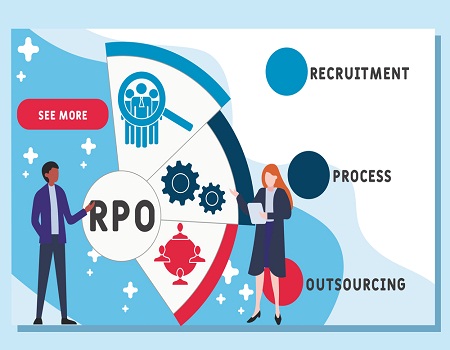
RPO
 |
There is a point where paying a fee per placement stops making sense. A company hiring eighty people a year through contingency arrangements is managing several agencies, receiving inconsistent shortlists, paying a different amount for each hire, and still watching its internal team spend most of its week on scheduling.
RPO solves a different problem from a vacancy. It gives you dedicated recruitment capacity that works inside your process, at a predictable cost, with agreed service levels. Career Choice Solution has run recruitment for employers since 2016, with over 12,400 placements across more than 3,000 client companies, and we structure RPO engagements on that operating experience.
When RPO Is the Right Model
Continuous volume—dozens or hundreds of roles a year, where per-placement fees become both expensive and unpredictable
A ramp-up with an end date—a new facility, GCC, or business line that needs capacity for twelve to eighteen months, not forever
An internal team doing the wrong work—HR spending its week on scheduling and CV filtering instead of retention, capability, and workforce planning
Inconsistent standards—every hiring manager running their own process, with no common screening bar
Seasonal surges—predictable peaks that need substantial temporary capacity
A new geography—hiring in a market where you have no local recruitment presence yet
If your hiring is genuinely occasional, RPO is the wrong purchase, and we will say so. Permanent recruitment per role will serve you better.
Three Ways to Structure It
Full RPO. We own the recruitment process end to end across all or most of your hiring: sourcing, screening, interview coordination, offer management, and joining follow-up.
Project RPO. Dedicated capacity for a defined initiative and period—a plant commissioning, a center build-out, a market entry—with a clear start and end and no ongoing commitment afterwards.
Selective RPO. We take a defined slice: one function, one location, one seniority band, or simply the sourcing and screening layer, while your team runs the rest.
Most engagements begin selectively or as a project and expand only if both sides want them to.
What Stays With You
RPO adds capacity. It does not take over judgement.
Final hiring decisions remain yours, without exception. Compensation and offer terms are set by you. The hiring standards are yours; we apply them and propose refinements rather than substitute our own. And you see the full pipeline throughout—an RPO that reduces your visibility into your own hiring has been structured wrongly.
Your Brand Is in Our Hands, and We Treat It That Way
This is the part employers worry about most and the part most RPO pages skip.
In an RPO engagement our recruiters speak to the market in your name. Every candidate we approach, interview, and reject forms an impression of your company, not of ours. A hundred rejected candidates handled carelessly will cost you more in reputation than the engagement saves.
So we agree upfront on how your company is represented, what we may and may not say about the role, the team, and the compensation range, and what candidates are told when they are unsuccessful. Every candidate who reaches an interview receives an outcome, not silence. We do not use your name to build candidate databases for other clients, and candidates sourced under your engagement are not recycled into other mandates.
Service Levels, Agreed in Writing
An RPO without measurable commitments is a retainer with extra steps. We agree on the specifics at scoping, typically covering:
Time to first shortlist by role band, measured from a confirmed requisition Shortlist quality, measured as the proportion of presented candidates taken to interview
- Pipeline coverage—live candidates maintained per open role
- Offer-to-join ratio, since offers accepted and then abandoned are not placements
- Response times to hiring managers and to candidates
- Reporting cadence is usually weekly operational and monthly review.
We also agree on what happens when an SLA is missed and what we need from you—because time to fill depends on interview feedback speed as much as on sourcing, and an SLA that ignores that is dishonest.
Governance
Each engagement has a named account lead and a delivery team you know by name rather than a rotating pool. Weekly operational reviews cover live roles, pipeline, and blockers. Monthly reviews cover metrics against SLAs, hiring manager feedback, market intelligence, and any recalibration needed on bands or briefs.
If the engagement is underperforming, we raise it before you do and propose what changes—team size, sourcing approach, the brief, or the interview process on your side.
How an Engagement Is Built
1. Scope and volume assessment. Your hiring plan by function, level, and location; current time to fill and where it goes; existing agency spend; and what your team should stop doing.
2. Design: Team size and structure, which parts of the process we own, systems and access, SLAs, reporting, and commercials.
3. Integration. Hiring manager briefings, alignment on standards, access to your ATS where you use one, and agreement on how your brand is represented.
4. Ramp. The first four to six weeks usually run below steady-state throughput while pipelines build. We plan for this rather than promise volume from week one.
5. Steady state. Continuous sourcing, screening, coordination, and offering support against live requisitions, with the agreed reporting.
6. Review and recalibration. Quarterly reassessment of volume, team size, and scope as your hiring plan changes.
Commercial Structure
RPO is priced on capacity, not per placement. A monthly fee covers the dedicated team, sourcing tools, and the delivery and reporting layer, with the fee sized to the recruiter capacity your volume requires.
Where a hybrid suits better—a lower monthly fee with a reduced per-hire component—we will structure it that way and say why. For project RPO, the fee is tied to the defined period and volume.
Engagements normally carry a minimum term of six months, because pipeline building takes the first month or two, and a shorter term does not repay either side. Terms, notice periods, SLAs, and rate-revision triggers are set out in writing before the engagement starts.
We will also tell you honestly when your volume does not yet justify RPO. An employer hiring fifteen roles a year is better served by permanent recruitment per role, and saying so is more useful than selling you a model you will resent in six months.
Ending an Engagement Cleanly
Employers hesitate over RPO because they fear becoming dependent. That concern is reasonable, so we address it in the agreement rather than in conversation.
At the exit, the candidate pipeline, sourcing records, and process documentation built during the engagement are handed over to you. Live searches are either completed or transferred with full notes. Any tooling configured in your systems stays with you. Notice periods are symmetrical—the same for you as for us.
An RPO partner who makes leaving difficult has made a commercial decision at your expense.
Across Industries and Locations
RPO is a delivery model rather than a sector. We run engagements across IT and GCCs, engineering and manufacturing, BFSI, pharmaceutical and healthcare, FMCG and retail, logistics, energy, and infrastructure. What changes by sector is the sourcing and screening approach inside the engagement.
Career Choice Solution is headquartered in Turbhe, Navi Mumbai. We run engagements covering Mumbai and Navi Mumbai, Pune, Bangalore, Hyderabad, Chennai, Delhi NCR, Gurugram and Noida, Ahmedabad and Kolkata, and multi-location coverage for organizations hiring across several markets at once.
Frequently Asked Questions
How is RPO different from using you for several searches?
Individual searches are transactional and priced per placement. RPO embeds dedicated capacity against your ongoing volume, priced on capacity, with agreed service levels and reporting.
Do we lose control of hiring decisions?
Hiring control remains with your team. Offers, compensation, hiring standards, and final decisions stay with you, while RPO adds sourcing and recruitment capacity without creating another decision-making layer.
Can RPO cover only part of our hiring?
RPO can be tailored to a specific requirement, such as one function, location, seniority level, or hiring phase. Selective and project-based models provide support where additional recruitment capacity is needed.
How do you protect our employer brand?
We agree with how your company is represented before we speak to anyone, ensure every interviewed candidate receives an outcome, and never recycle candidates sourced under your engagement into other mandates.
What service levels do you commit to?
Time to first shortlist, shortlist-to-interview conversion, pipeline coverage, offer-to-join ratio and response times, agreed in writing and reviewed monthly.
How quickly does an engagement reach full output?
Usually four to six weeks, while pipelines build. We plan the ramp rather than promise steady-state volume immediately.
What is the minimum commitment?
Typically six months, with symmetrical notice. Project RPO is scoped to the initiative's duration.
What happens if we end the engagement?
Pipelines, records, and documentation transfer to you; live searches are completed or handed over with notes, and anything configured in your systems stays with you.
What do you need to scope an engagement?
Your hiring plan by function and location, current time to fill, existing agency spend, which part of the process you want to outsource, your systems, and your timeline.
Ready to Extend Your Recruitment Capacity?
Whether you need full outsourcing or dedicated capacity for one expansion, share your hiring plan and where the current process is struggling. We will propose a structure and tell you plainly if RPO is not the right answer.
Explore More Services


Contact Us
Company Name : Career Choice Solution
Email Address : abhishek.p@careerchoicesolution.com
Alternate Email ID : hrd@careerchoicesolution.com
Moblie : +91-9768991515
Address : A/59, Shop No-1, Sec-21, Turbhe, Navi Mumbai, Maharashtra - 400705, India
